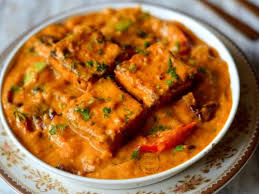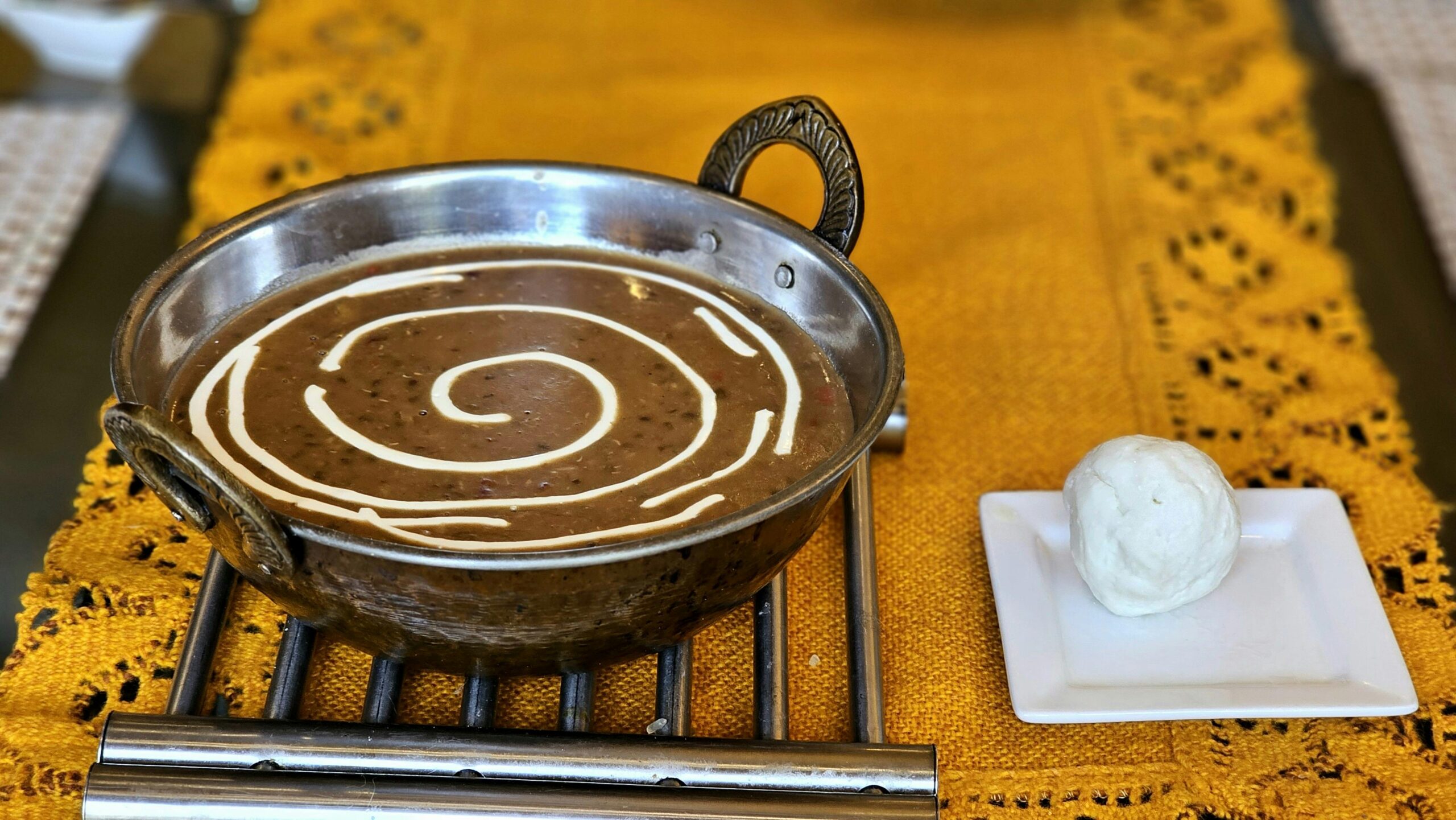
Dal Makhani
A Creamy Delight from Punjabi Cuisine
Dal Makhani is one of the most loved dishes in Indian cuisine, famous for its rich texture, buttery flavor, and comforting aroma. Originating from Punjab, this classic recipe is made with whole black lentils, kidney beans, butter, cream, and aromatic spices slow-cooked for hours to achieve its signature taste. Served with naan, roti, or rice, Dal Makhani is a favorite at homes, restaurants, and festive gatherings. Its creamy consistency and smoky flavor make it a symbol of authentic North Indian cooking. Loved across the world, Dal Makhani perfectly represents the warmth, tradition, and richness of Indian culinary heritage and culture.
Introduction to Dal Makhani
Dal Makhani is a famous North Indian dish that has become one of the most recognized recipes in Indian cuisine. Known for its creamy texture and rich flavor, this dish is deeply connected to Punjabi food culture. The word “dal” means lentils, while “makhani” means buttery, perfectly describing the luxurious nature of this recipe. Prepared using whole black lentils and kidney beans, Dal Makhani is slow-cooked with butter, cream, tomatoes, and spices to create a comforting and flavorful dish loved by millions around the world.
This dish is popular in homes, restaurants, weddings, and festivals because of its satisfying taste and elegant presentation. Whether served with butter naan, tandoori roti, or steamed rice, Dal Makhani adds richness to every meal. Its unique blend of creamy texture and smoky aroma has made it a timeless favorite among food lovers of all ages.
History and Origin of Dal Makhani
Dal Makhani originated in the Punjab region of India, where rich and hearty food has always been an important part of the culture. Traditional Punjabi households often prepared lentil-based dishes using butter and cream because dairy products were widely available in farming communities. The modern version of Dal Makhani became popular after the partition of India in 1947, when Punjabi families migrated to Delhi and other cities, bringing their recipes and cooking traditions with them.
Over time, Dal Makhani gained popularity in restaurants and roadside dhabas across North India. Its rich flavor and creamy consistency quickly attracted food lovers from different regions. As Indian cuisine spread globally, Dal Makhani became one of the most requested dishes in Indian restaurants worldwide. Today, it is considered a symbol of authentic Punjabi hospitality and traditional Indian cooking.
Main Ingredients Used in Dal Makhani
The secret behind the delicious taste of Dal Makhani lies in its simple yet carefully selected ingredients. Whole black lentils, also known as urad dal, form the base of the dish. Kidney beans or rajma are added to improve texture and enhance flavor. These lentils are soaked overnight to soften them before cooking.
Other important ingredients include tomatoes, onions, ginger, garlic, green chilies, butter, and fresh cream. Spices such as cumin, coriander powder, turmeric, red chili powder, and garam masala are added to create depth and aroma. Kasuri methi, or dried fenugreek leaves, is often used to provide an earthy fragrance that enhances the overall taste.
The generous use of butter and cream gives Dal Makhani its signature richness. While traditional recipes use a significant amount of dairy, modern healthier versions often reduce the butter or use low-fat cream without losing the authentic flavor of the dish.
Traditional Cooking Process
Authentic Dal Makhani requires patience because slow cooking is the key to achieving its creamy texture and deep flavor. The lentils and kidney beans are first soaked overnight and then pressure-cooked until soft and tender. A rich masala is prepared separately by cooking onions, tomatoes, ginger, garlic, and spices in butter or ghee.
Once the masala is ready, the cooked lentils are added and simmered on low heat for several hours. This slow cooking process allows the flavors to blend perfectly and creates the smooth consistency that Dal Makhani is famous for. Cream and butter are added toward the end of cooking for extra richness.
Many restaurants also use a traditional smoking technique called “dhungar” to give Dal Makhani its signature smoky aroma. In this process, hot charcoal is placed inside the pot, and a little ghee is poured over it before covering the dish. The smoke trapped inside infuses the dal with a unique restaurant-style flavor.
Why Dal Makhani Is So Popular
Dal Makhani is popular because it combines rich flavor with comfort and simplicity. Its creamy texture and balanced spices make it appealing even to people who are new to Indian cuisine. Unlike very spicy dishes, Dal Makhani has a mild and buttery taste that suits different preferences.
The dish is also highly versatile and pairs perfectly with naan, roti, paratha, and rice. It can be served during family dinners, festive celebrations, weddings, and formal events. Because of its luxurious appearance and satisfying flavor, Dal Makhani is often considered a premium dish in Indian restaurants.
Another reason for its popularity is its emotional connection with people. For many families, Dal Makhani reminds them of homemade meals, celebrations, and gatherings with loved ones. The aroma of slow-cooked lentils and spices creates a sense of warmth and nostalgia that makes the dish even more special.
Nutritional Value of Dal Makhani
Dal Makhani is not only delicious but also nutritious. Black lentils are rich in protein, iron, magnesium, potassium, and dietary fiber. Kidney beans add more protein and help make the dish filling and energy-rich. This makes Dal Makhani an excellent choice for vegetarians looking for healthy protein sources.
The fiber content in lentils supports digestion and helps maintain stable energy levels. Spices such as ginger, garlic, and cumin also provide health benefits by improving digestion and boosting immunity. Although the traditional recipe includes butter and cream, healthier versions can be prepared with less fat while still maintaining excellent flavor.
Vegan versions of Dal Makhani are also becoming popular. Plant-based butter and cream alternatives are often used to create dairy-free recipes suitable for modern dietary preferences.
Dal Makhani in Global Cuisine
Today, Dal Makhani is enjoyed far beyond India. Indian restaurants across countries like the United States, Canada, the United Kingdom, Australia, and the Middle East proudly serve this dish to international customers. It is often one of the first dishes recommended to people trying Indian food for the first time because of its mild and creamy taste.
Many chefs around the world have experimented with Dal Makhani by adding fusion elements or modern presentation styles. However, the traditional slow-cooked version remains the most loved and respected. Its growing popularity reflects the global appreciation for Indian flavors and comfort food.
Food lovers worldwide admire Dal Makhani not just for its taste but also for the cultural heritage it represents. It showcases how simple ingredients like lentils and beans can be transformed into a luxurious dish through patience, spices, and traditional cooking methods.
Conclusion
Dal Makhani is much more than a lentil curry. It is a celebration of Indian tradition, Punjabi hospitality, and rich culinary heritage. From its creamy texture and buttery flavor to its smoky aroma and nutritional value, every aspect of this dish makes it memorable and satisfying.
Whether enjoyed in a traditional Punjabi dhaba, a fine dining restaurant, or a family kitchen, Dal Makhani continues to bring people together through its comforting taste and timeless appeal. Its journey from regional cuisine to international fame highlights the universal love for flavorful and heartwarming food. For anyone exploring Indian cuisine, Dal Makhani remains a must-try dish that truly captures the essence of authentic Indian cooking.
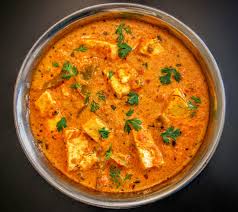
Kadai Paneer
A Flavorful Blend of Spice and Tradition
Kadai Paneer is one of the most popular North Indian dishes, loved for its rich flavors, vibrant colors, and aromatic spices. Made with soft paneer cubes, onions, tomatoes, bell peppers, and freshly ground spices, this dish is cooked in a traditional Indian wok called a “kadai,” from which it gets its name. The combination of spicy gravy and smoky flavors makes Kadai Paneer a favorite in homes and restaurants alike. Served with naan, roti, or rice, it offers a delicious and satisfying dining experience. Kadai Paneer perfectly represents the bold taste and authentic essence of traditional Indian cuisine and hospitality worldwide.
Introduction to Kadai Paneer
Kadai Paneer is a famous vegetarian dish from North India that is known for its spicy flavor, rich texture, and mouthwatering aroma. It is one of the most ordered paneer dishes in Indian restaurants and a favorite choice for family meals and festive celebrations. The dish is named after the traditional Indian cooking pot called a “kadai,” which is similar to a wok and is used to prepare the curry. Kadai Paneer combines soft cubes of paneer with onions, tomatoes, bell peppers, and freshly ground spices to create a delicious and satisfying meal.
The popularity of Kadai Paneer comes from its bold flavors and versatile nature. It can be prepared as a dry dish or with gravy depending on personal preference. The balance of spices and vegetables gives the dish a unique taste that appeals to food lovers across different cultures. Whether served with butter naan, roti, paratha, or rice, Kadai Paneer always adds richness and excitement to the dining table.
History and Origin of Kadai Paneer
Kadai Paneer originated in North India, especially in regions influenced by Punjabi cuisine. Punjabi food is known for its rich gravies, bold spices, and generous use of dairy products, making paneer-based dishes extremely popular. The term “kadai” refers to the deep, circular cooking vessel traditionally used in Indian kitchens. This special cookware allows ingredients to cook evenly while preserving their flavors and aroma.
Over the years, Kadai Paneer became widely popular in Indian restaurants and roadside dhabas because of its spicy taste and colorful presentation. As Indian cuisine gained international recognition, Kadai Paneer also became a favorite among global audiences. Today, it is commonly served in restaurants around the world and is considered one of the signature dishes of Indian vegetarian cuisine.
Main Ingredients Used in Kadai Paneer
The key ingredient in Kadai Paneer is paneer, a fresh Indian cottage cheese known for its soft texture and mild flavor. Paneer absorbs spices well, making it perfect for rich curries and gravies. Along with paneer, onions, tomatoes, capsicum or bell peppers, ginger, garlic, and green chilies are used to create the dish’s flavorful base.
A special kadai masala made from freshly roasted coriander seeds, cumin, dried red chilies, and other spices gives the dish its signature taste. This freshly ground spice mix is what separates Kadai Paneer from other paneer dishes. Butter, cream, or oil may also be added to enhance the richness and texture of the curry.
Fresh coriander leaves are commonly used as garnish to add freshness and aroma. The combination of colorful vegetables, creamy paneer, and aromatic spices makes Kadai Paneer both visually appealing and delicious.
Traditional Cooking Method
Authentic Kadai Paneer is prepared using a kadai, which helps cook the ingredients evenly and enhances the flavor of the spices. The cooking process begins by roasting coriander seeds, cumin seeds, and dried red chilies to prepare fresh kadai masala. This spice mix creates the bold and smoky flavor that defines the dish.
Onions, ginger, garlic, and tomatoes are sautéed until soft and aromatic. Bell peppers are then added to maintain their crunchy texture and vibrant color. Paneer cubes are mixed into the masala carefully so they remain soft and absorb the flavors of the curry.
Some versions of Kadai Paneer are prepared with thick gravy, while others are semi-dry. Fresh cream or butter is sometimes added for extra richness. The dish is cooked over medium heat until all the ingredients blend perfectly, creating a flavorful and aromatic curry ready to serve.
Why Kadai Paneer Is So Popular
Kadai Paneer is loved because of its bold flavor and satisfying texture. The combination of soft paneer and crunchy bell peppers creates a perfect contrast that makes every bite enjoyable. The freshly ground spices add depth and aroma, making the dish unique compared to other paneer curries.
Another reason for its popularity is its versatility. Kadai Paneer can be served at casual family dinners, parties, weddings, and festive occasions. It pairs well with many Indian breads and rice dishes, making it suitable for different meal preferences.
The dish is also highly popular among vegetarians because paneer provides a rich source of protein. Even people who are new to Indian cuisine often enjoy Kadai Paneer because it balances spice, flavor, and texture beautifully.
Nutritional Benefits of Kadai Paneer
Kadai Paneer is not only tasty but also nutritious. Paneer is rich in protein, calcium, and essential nutrients that support bone and muscle health. Bell peppers provide vitamins, antioxidants, and dietary fiber that contribute to overall wellness.
The spices used in Kadai Paneer, such as coriander, cumin, ginger, and garlic, offer several health benefits including improved digestion and better immunity. Tomatoes add vitamin C and antioxidants, while onions contribute important nutrients and natural flavor.
Health-conscious individuals often prepare lighter versions of Kadai Paneer using less oil and cream. Vegan alternatives using tofu instead of paneer are also becoming increasingly popular among people following plant-based diets.
Kadai Paneer in Restaurants and Global Cuisine
Kadai Paneer is one of the most popular vegetarian dishes served in Indian restaurants worldwide. From India to countries like the United States, Canada, the United Kingdom, Australia, and the Middle East, the dish has gained widespread recognition for its rich flavor and authentic taste.
Restaurant-style Kadai Paneer is often prepared with extra butter and cream to create a luxurious texture and appearance. Many chefs also experiment with fusion styles by adding unique ingredients or presentation techniques while maintaining the traditional flavor profile.
The international popularity of Kadai Paneer reflects the growing appreciation for Indian cuisine across the world. It has become a favorite choice for both vegetarians and non-vegetarians looking to enjoy flavorful and comforting food.
Best Ways to Serve Kadai Paneer
Kadai Paneer tastes best when served hot and fresh. Butter naan is one of the most popular accompaniments because its soft texture complements the spicy gravy perfectly. Tandoori roti, laccha paratha, and plain chapati are also excellent choices.
For rice lovers, Kadai Paneer pairs beautifully with jeera rice, pulao, or steamed basmati rice. A side of salad, yogurt, or pickle can enhance the meal further by balancing the rich and spicy flavors of the curry.
The dish is often garnished with fresh coriander leaves and ginger juliennes to improve both presentation and flavor. Whether served at a restaurant or prepared at home, Kadai Paneer always creates a satisfying and memorable dining experience.
Conclusion
Kadai Paneer is more than just a curry; it is a celebration of Indian flavors, spices, and culinary tradition. Its rich aroma, colorful presentation, and bold taste make it one of the most loved vegetarian dishes in Indian cuisine. From traditional Punjabi kitchens to international restaurants, Kadai Paneer continues to win hearts with its delicious flavor and comforting appeal.
The combination of paneer, bell peppers, tomatoes, and freshly ground spices creates a dish that is both nutritious and satisfying. Whether enjoyed with naan, roti, or rice, Kadai Paneer offers an unforgettable taste experience that reflects the warmth and richness of Indian cooking. For anyone exploring Indian cuisine, Kadai Paneer remains a must-try dish that perfectly captures the essence of authentic and flavorful food.